MandirVastu · Decoding the Sacred Architecture of India

Every Stone Speaks

Decode 3,000 years of sacred architecture — from the womb-chamber of the Garbhagriha to the sky-piercing Shikhara, every element of an Indian temple is a cosmic statement encoded in stone, proportion, and sacred geometry.

How to Use

01
Browse the Elements

Explore 48 elements of temple iconography, filtered by type: architecture, sculpture, sacred geometry, or architectural style.

02
Read the Detail

Every element has a full scholarly entry: history, symbolism, where it appears, what ancient texts say about it, and specific temple examples.

03
Visit a Temple

Use the Case Study entries to understand real temples before or after you visit them. Every stone will mean something different.

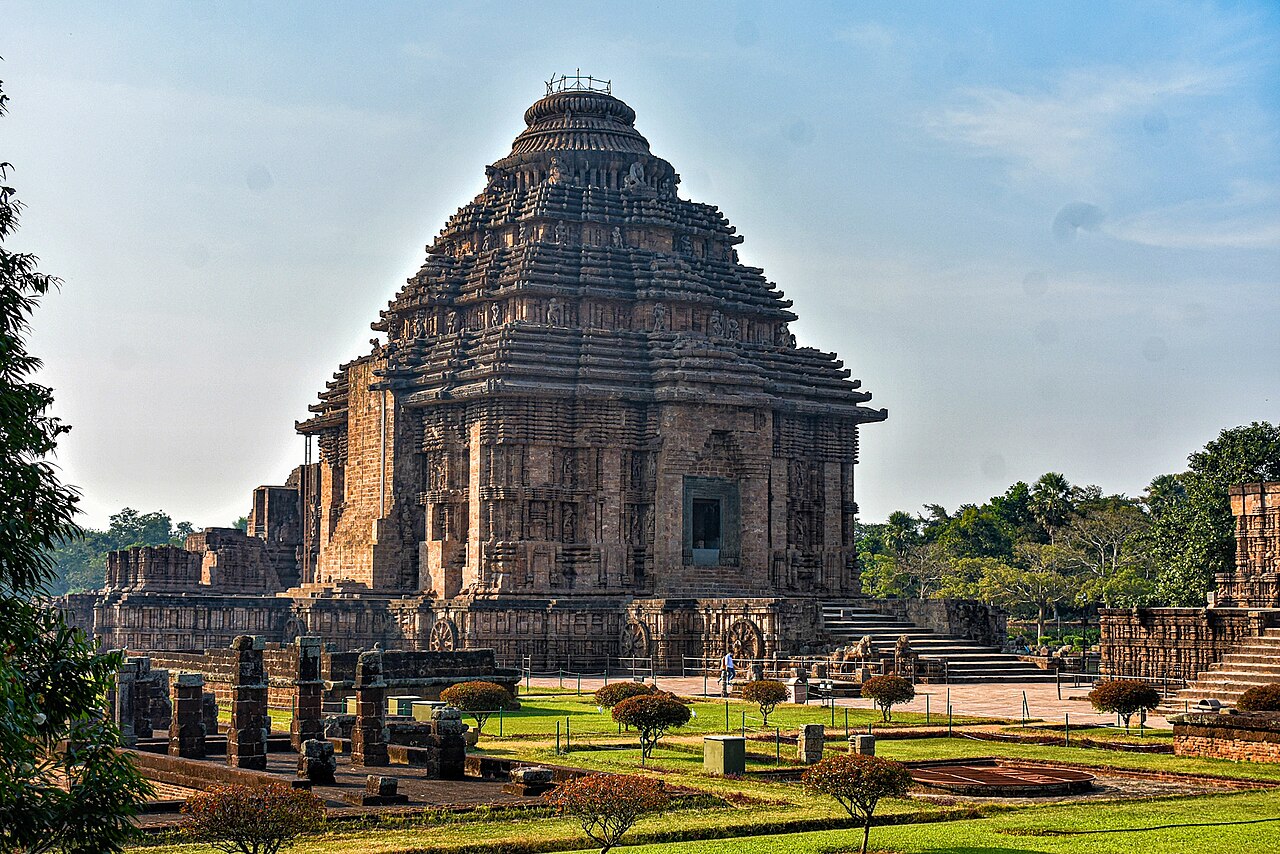
Konark Sun Temple Wheel

The Chariot of Time

24 stone wheels marking the rhythm of the cosmos.

Exclusive Deep Dive

The Black Pagoda

Step into the 13th-century masterpiece of King Narasimhadeva I. A colossal stone chariot designed to carry the Sun God across the heavens, Konark is not just a temple—it is a celestial observatory carved in stone.
0
Sacred Elements
0
Great Styles
0
Years of Architecture
Architectural Lineages

Cosmic Forms

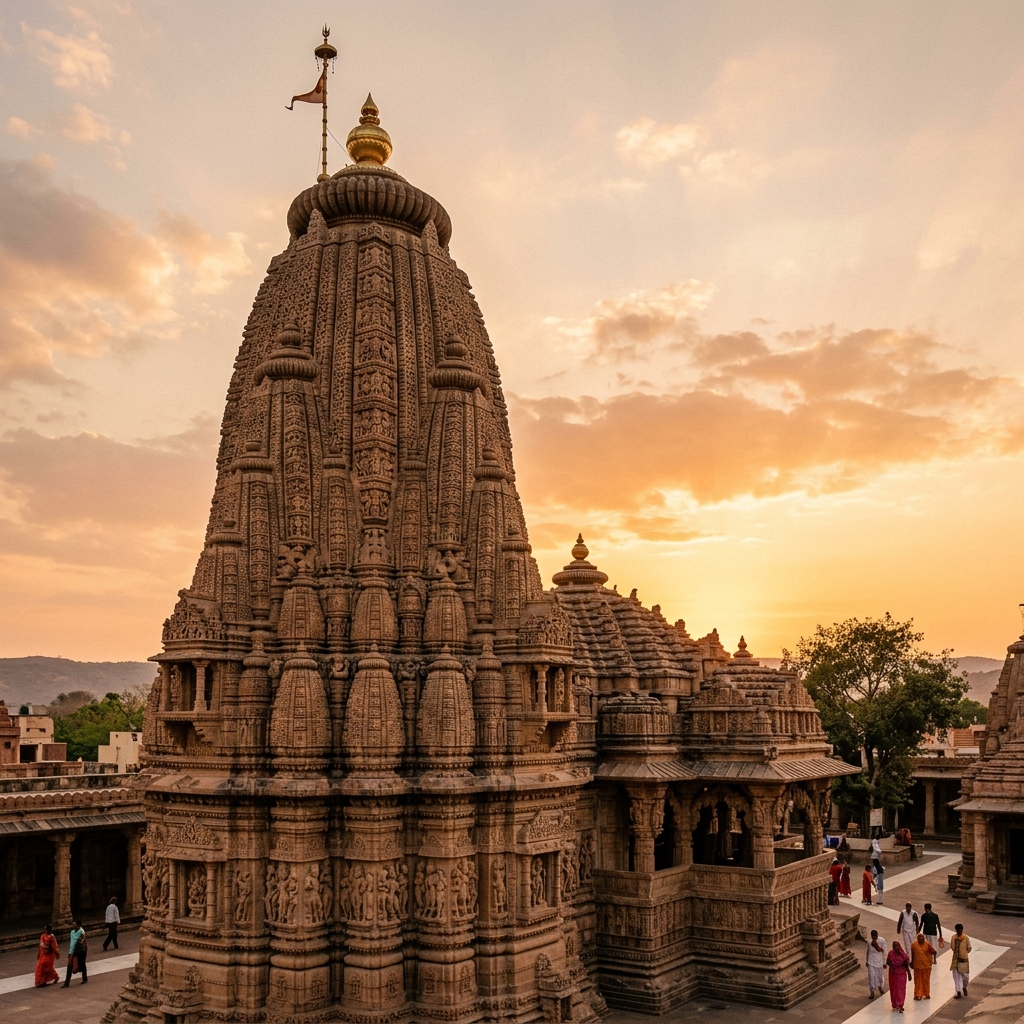
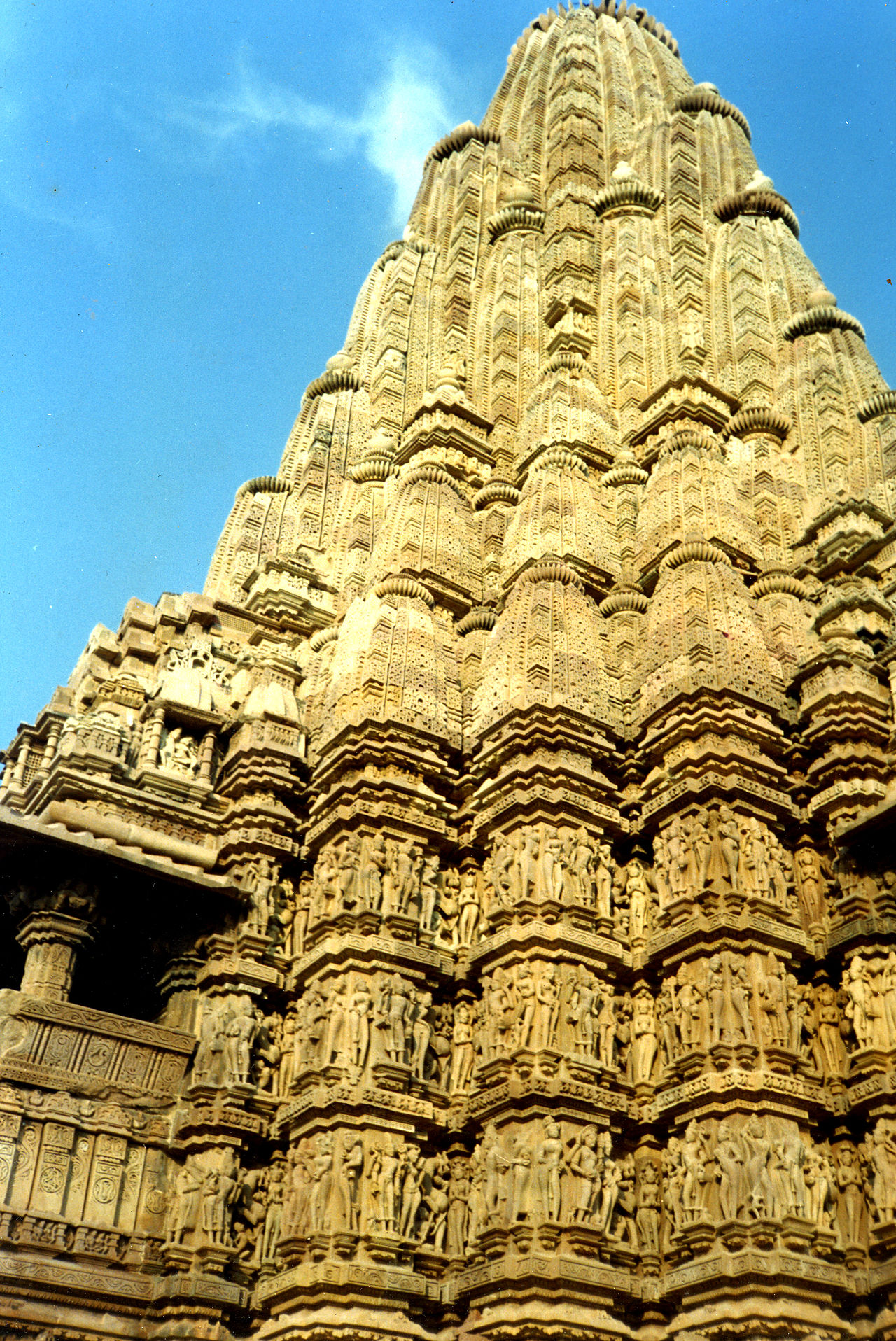
The language of Indian architecture is divided into three primary lineages. Each represents a unique regional interpretation of sacred geometry, peak-form, and ornamentation.

The Three Great Traditions →
MANDAPA Antarāla GARBHAGRIHA Śikhara Kalaśa

The Temple as a
Cosmic Map

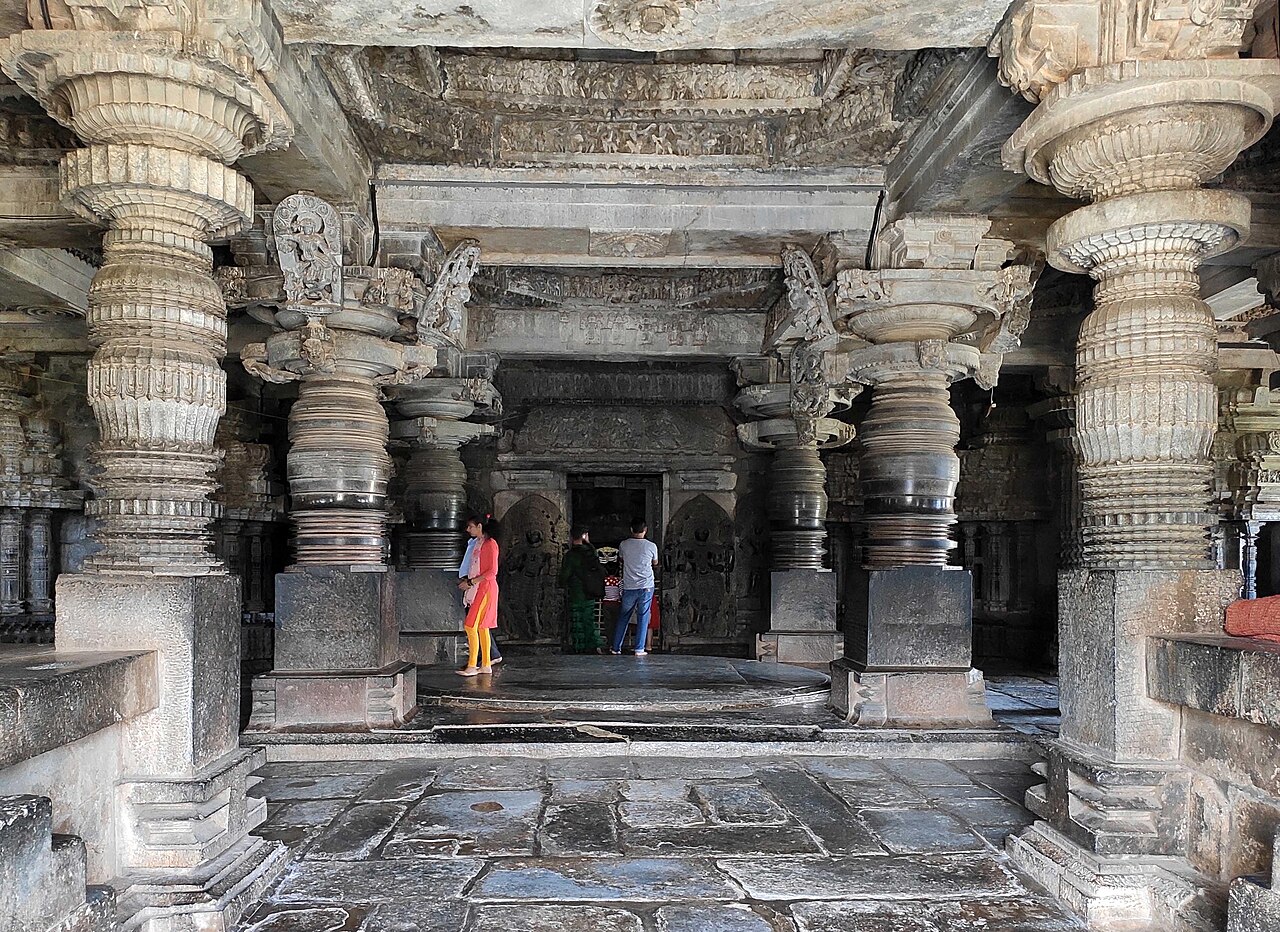
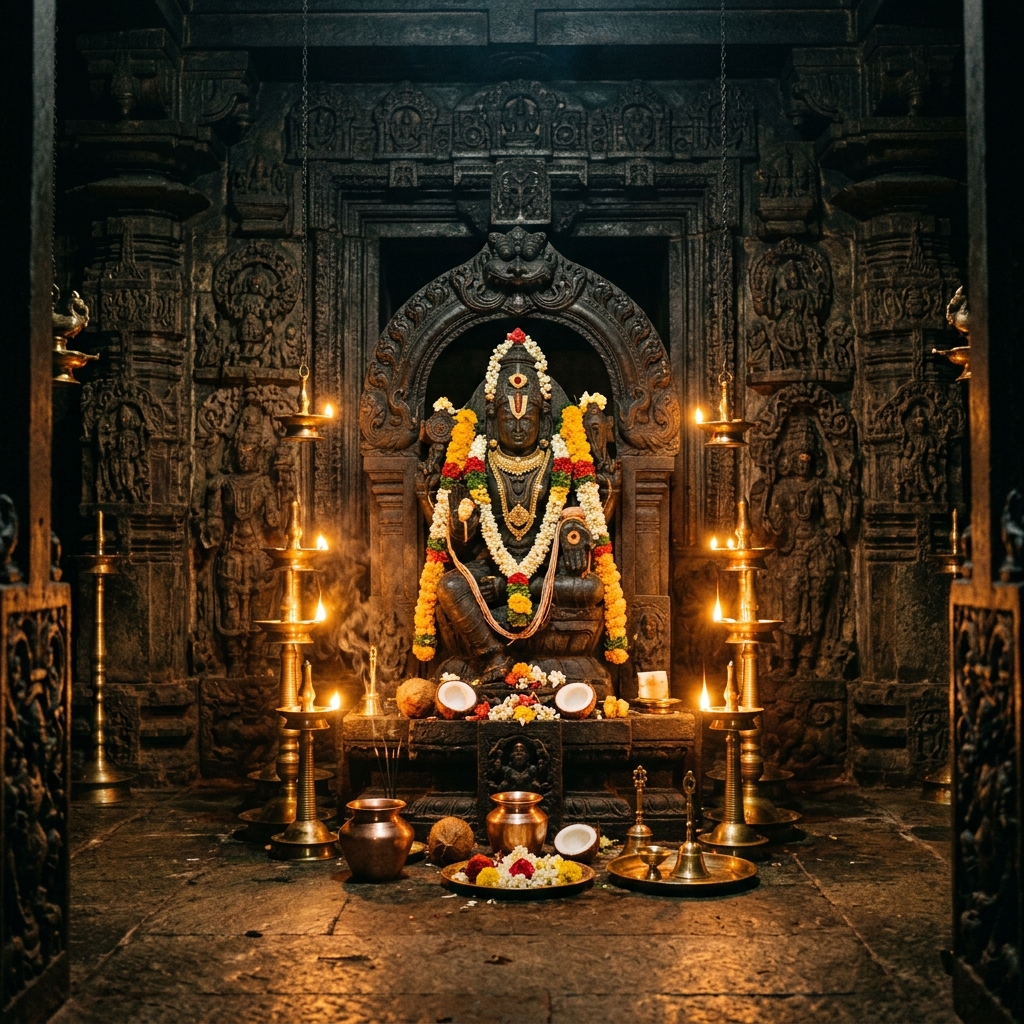
Every Indian temple is a three-dimensional model of the cosmos. The garbhagriha at its heart is the primordial cave — dark, windowless, charged with divine presence. Above it rises the shikhara or vimana, representing Mount Meru, the cosmic axis around which the universe rotates.

The devotee's journey from the outer gopuram through successive halls into the dark sanctum re-enacts the soul's movement from the material world toward the divine.

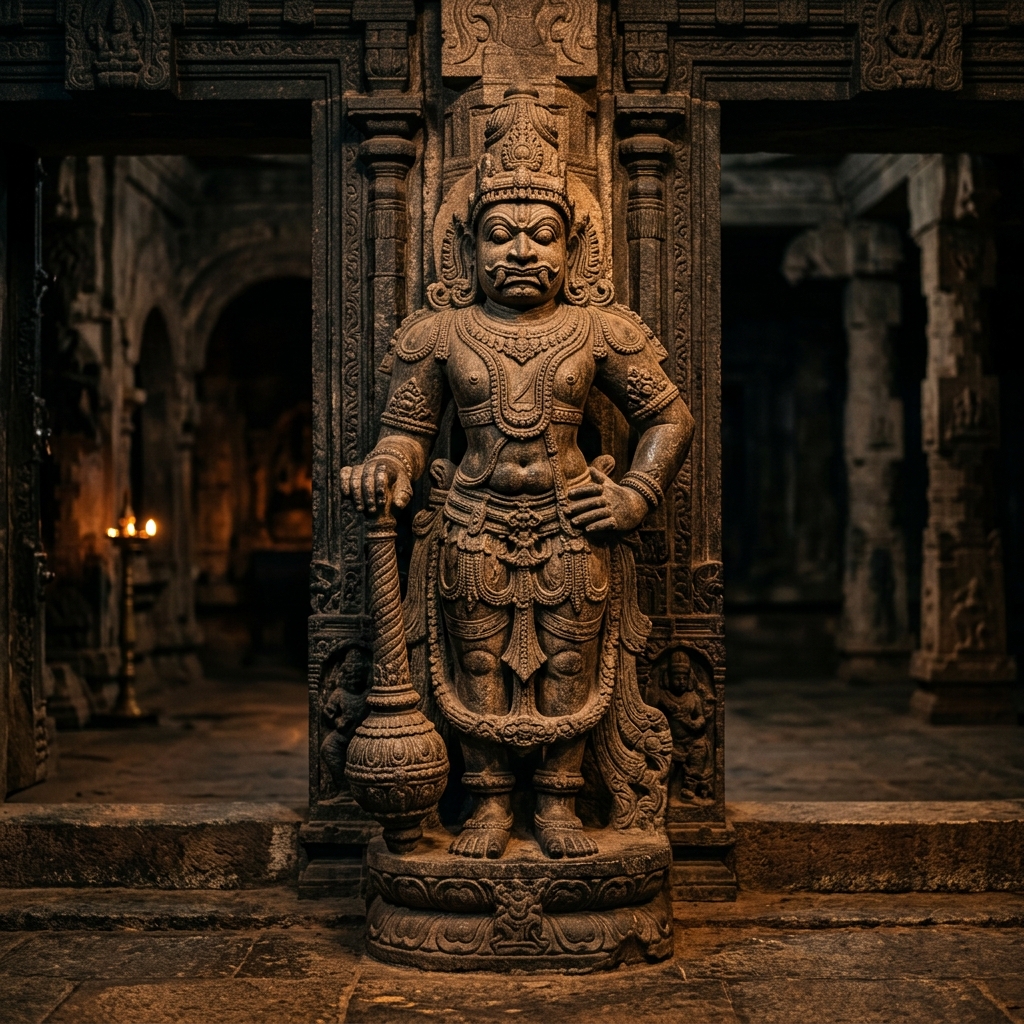
Every surface is an iconographic text. Where a sculpture is placed is as important as what it depicts. Ganga and Yamuna guard the Nagara garbhagriha entrance, while directional Ashtadikpalas face outward, holding the cosmos in place.

Frequently Asked Questions

Temple iconography is the study of the symbolic visual language encoded in the design, structure, and sculpture of sacred buildings. It means understanding why every part of a temple looks the way it does — why the tower curves that way, why that sculpture appears at that threshold, why the inner sanctum is kept in darkness.

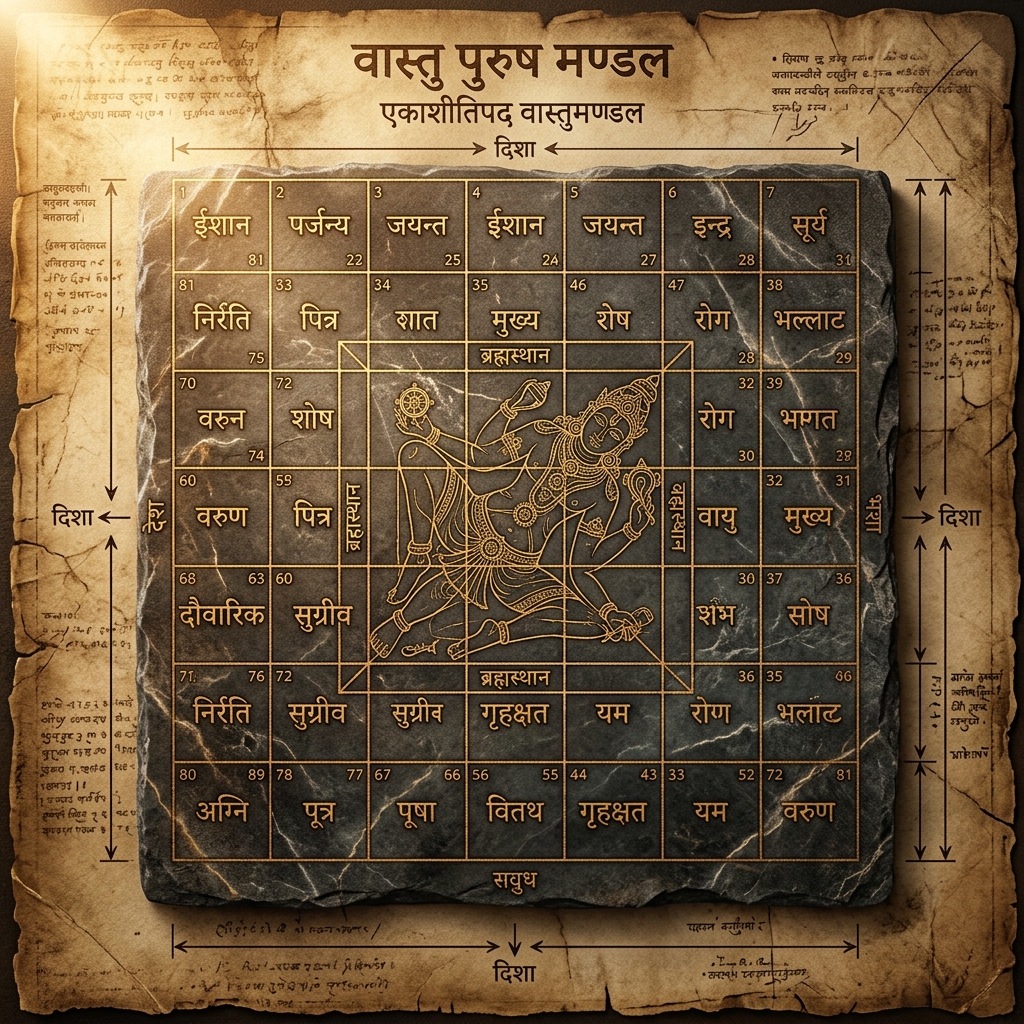
The Vastu Purusha Mandala is the sacred geometric grid on which every Indian temple is designed. It is a square divided into 64 or 81 smaller squares, each assigned to a specific deity. The central square — the Brahmasthana — is where the garbhagriha is placed, representing the navel of the cosmic being.

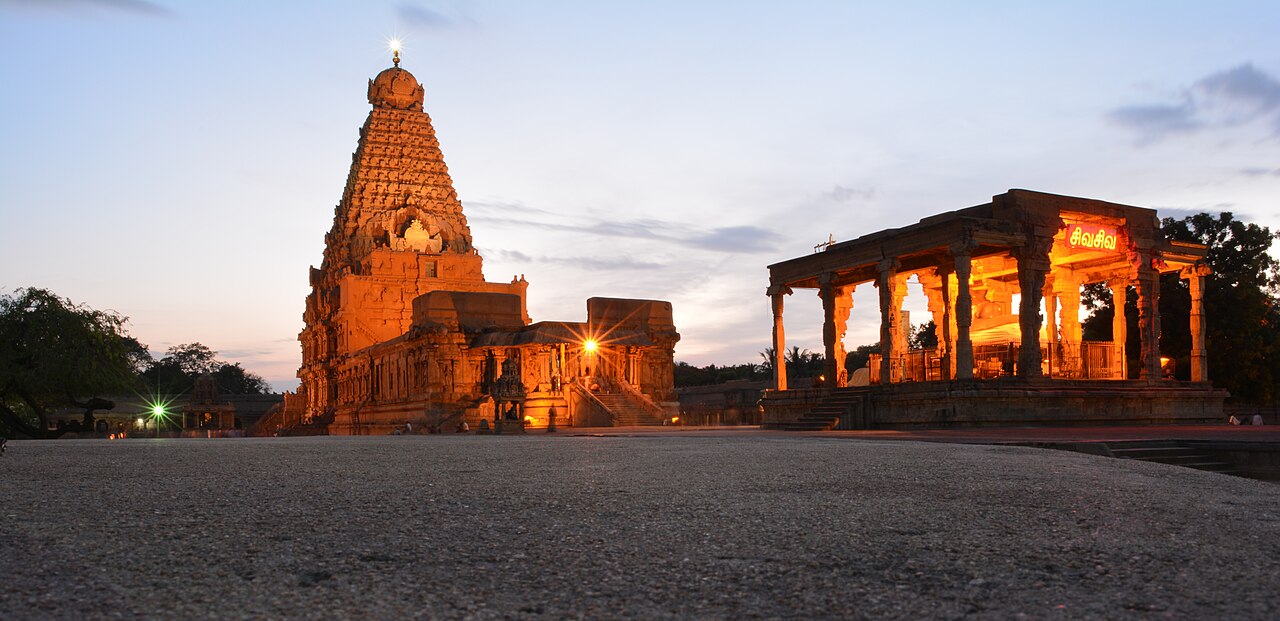
Both refer to the tower above the sanctum, but Shikhara is the North Indian (Nagara) curvilinear mountain-peak tower, while Vimana is the South Indian (Dravidian) stepped pyramidal tower. Both symbolize Mount Meru, the cosmic axis at the center of the universe.

The mithuna figures (auspicious erotic couples) at thresholds encode the idea that the union of opposites is the generative principle of the cosmos. Placed at doorways, they mark the transition from the outer world of duality into the inner sanctum of undifferentiated divine unity.

The Shilpa Shastras are ancient Sanskrit texts prescribing the rules for temple construction — proportions, orientation, and iconographic placement. They were consulted by the master architect-priest (Sthapati) who oversaw every ritual and architectural detail.

The 216-foot vimana tower is so precisely oriented that at solar noon its shadow falls entirely within its own base. This astronomical precision demonstrates the divine perfection and advanced engineering of the Chola master builders.